
January FAQs: Small Moves, Big Spring Payoff
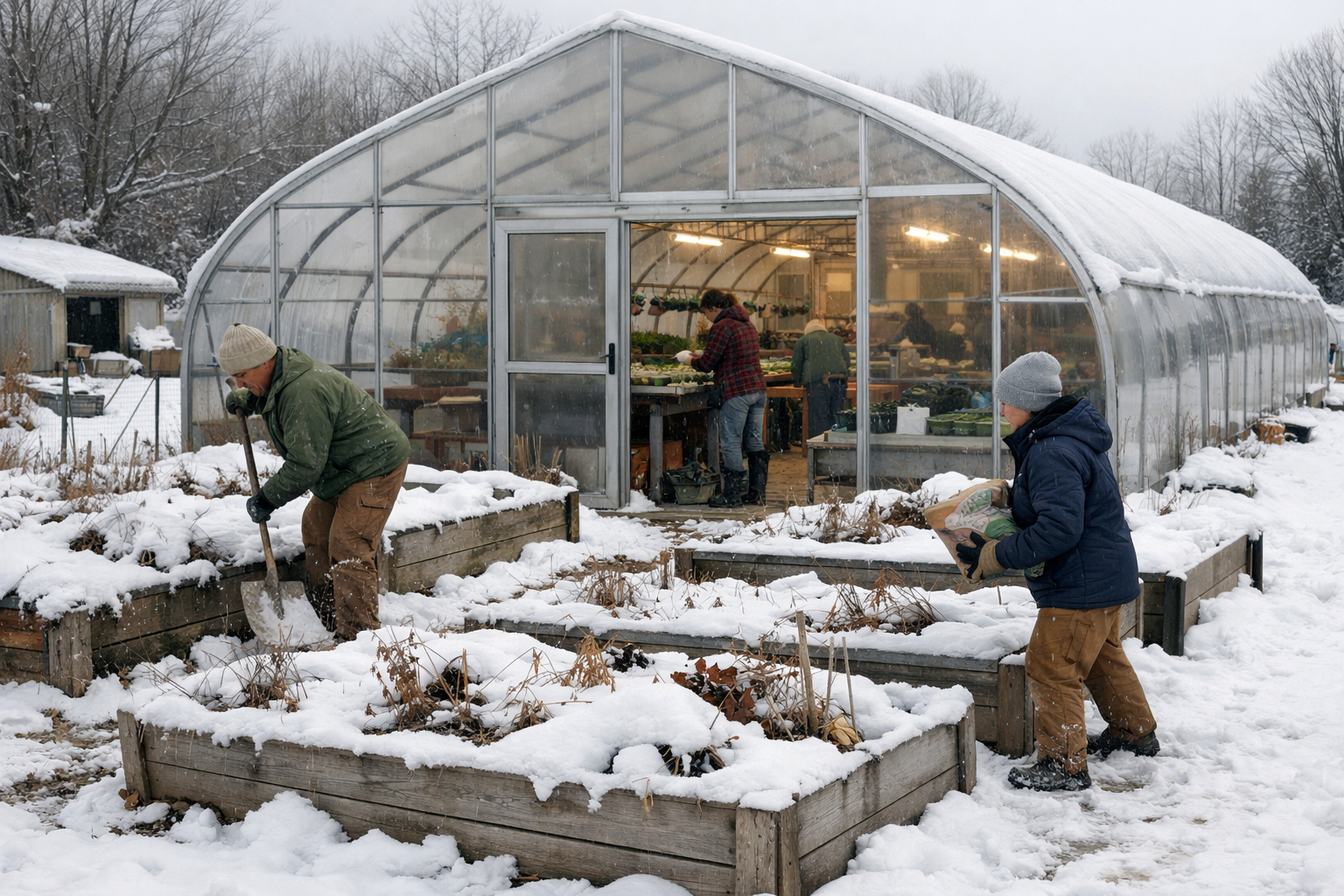
January may arrive quietly, but behind the scenes, it’s one of the most productive months of the year. While winter settles in, growers, landscapers and home gardeners are already laying the groundwork for spring.
At JRM, we see January as a momentum month. It’s when planning turns into action, seeds are started, spring projects take shape, and simple systems are put in place to save time later. Whether you’re warming up the greenhouse, heading out on a winter getaway, or mapping spring work for clients, now is the time to think ahead.
This month, we’re answering your questions so you can make January work harder for you.
 Q: What should greenhouse growers be prioritizing in January?
A: For greenhouse growers, , January is anything but slow. Propagation schedules ramp up, cuttings are established, and early crops begin setting the pace for the entire season. Decisions made now about soil conditions, moisture consistency and root development carry through spring retail and transplant success.
Young plants are especially sensitive during winter production cycles. Cold conditions, short days, and lean labor resources mean growers need systems that support uniform growth without constant attention.
 Q: What’s the best way to protect plants during winter travel?
A: January is prime time for winter getaways — ski trips, warm-weather escapes or extended stays in sunnier climates. While travel plans come together quickly, plant care often becomes an afterthought.
A simple solution is setting up watering support before you leave. Soil Moist Vacation Mats release water gradually after soaking, allowing roots to access moisture as needed. Place the mat on a tray or baking sheet and set containers on top, making sure drainage holes are exposed.
 Q: Why is January important for landscape professionals, even when landscapes are dormant?
A: January is a critical planning window. With foliage gone, sites are easier to assess, and conversations with clients can shift from cleanup to spring improvements. This is the time to review properties, identify compacted soil, evaluate plant losses from last season, and line up early-spring projects.
When spring installs begin, transplant success often comes down to what happens below the soil line. Reducing stress at planting, improving moisture availability and supporting root establishment can make the difference between struggling plants and strong starts.
 Q: What’s the big takeaway for January?
A: January is a setup month. Smart planning and simple systems put you in a stronger position for the busy season ahead. Whether you’re propagating spring crops, traveling midwinter, or lining up landscape projects, JRM products are designed to save time, conserve water, and support healthier plants from the start.
What re you planning for spring?
Tell us how you use JRM products at home or in your business. We’d love to hear what’s growing ahead for you this year.
Back to Blog »